- October 11, 2026

Beyond the Loan: Why Lagos State ₦10 Billion SMEs Scheme Could Redefine Small Business Financing in Nigeria
For decades, the single most persistent obstacle facing Micro, Small, and Medium Enterprises (MSMEs) in Nigeria has not been a lack of entrepreneurial vision, but a lack of affordable, structured capital. High commercial lending rates, stringent physical collateral demands, and cumbersome application processes have historically kept formal credit out of reach for growing businesses.
Against this backdrop, the Lagos State Government, through the Lagos State Access to Finance for MSMEs through Cooperatives (LASMECO) scheme has introduced a remarkable shift in small business funding. Rather than merely distributing intervention capital, LASMECO integrates capacity building, institutional governance, and structured risk-sharing into a scalable ecosystem model.
Why LASMECO is Different: Capital + Acceleration
What makes the LASMECO initiative particularly noteworthy is its dual focus on financial readiness and post-funding mentorship. To kick-start full implementation, the Ministry of Commerce, Cooperatives, Trade and Investment (MCCTI) recently hosted a comprehensive training workshop for 17 accredited accelerator organizations. The three-day event took place from July 20 to 22, 2026, at the BOI Headquarters in Marina, Lagos. These accelerators are charged with identifying viable enterprises, preparing them for credit readiness, and guiding them through the expansion phase.
Key Features of the LASMECO Financing Model:
Steps to Apply
The Macroeconomic Reality & Financing Timelines
MSMEs remain the undisputed backbone of the Nigerian economy, contributing nearly 50% of national Gross Domestic Product (GDP) and employing the vast majority of the workforce. In Lagos State alone, MSMEs account for approximately 80% of total employment and 75% of state GDP. However, even with transformative public schemes, public sector interventions naturally follow structured vetting timelines and capped allocations (such as the ₦10 Million single-digit limit).
In a fast-moving commercial market like Lagos, operational reality often moves faster than public disbursement cycles:
Bridging Urgent Liquidity: A business waiting for program approvals may still face immediate supply chain deadlines or urgent inventory purchases. In such cases, flexible private credit partners such as CreditPRO, often step in to provide quick working capital to prevent operational stalls.
As an SME successfully deploys its initial funding, its growth demands often outgrow the ₦10 Million limit. Transitioning from seed-stage public funding to structured private financing becomes the logical next step. Maintaining a strong relationship with commercial lenders allows entrepreneurs to keep their liquidity intact while positioning for larger institutional support.
The Bottom Line
The LASMECO scheme demonstrates that sustainable SME development requires more than just money, it requires institutions that prepare entrepreneurs to deploy capital productively. By combining structured mentorship with affordable credit, Lagos State is laying the groundwork for a more resilient enterprise ecosystem.
For entrepreneurs, the takeaway is clear: prepare your governance, keep clean financial records, and build a multi-layered financing strategy that leverages both public interventions and private credit partners to keep your business moving forward.

About the Author
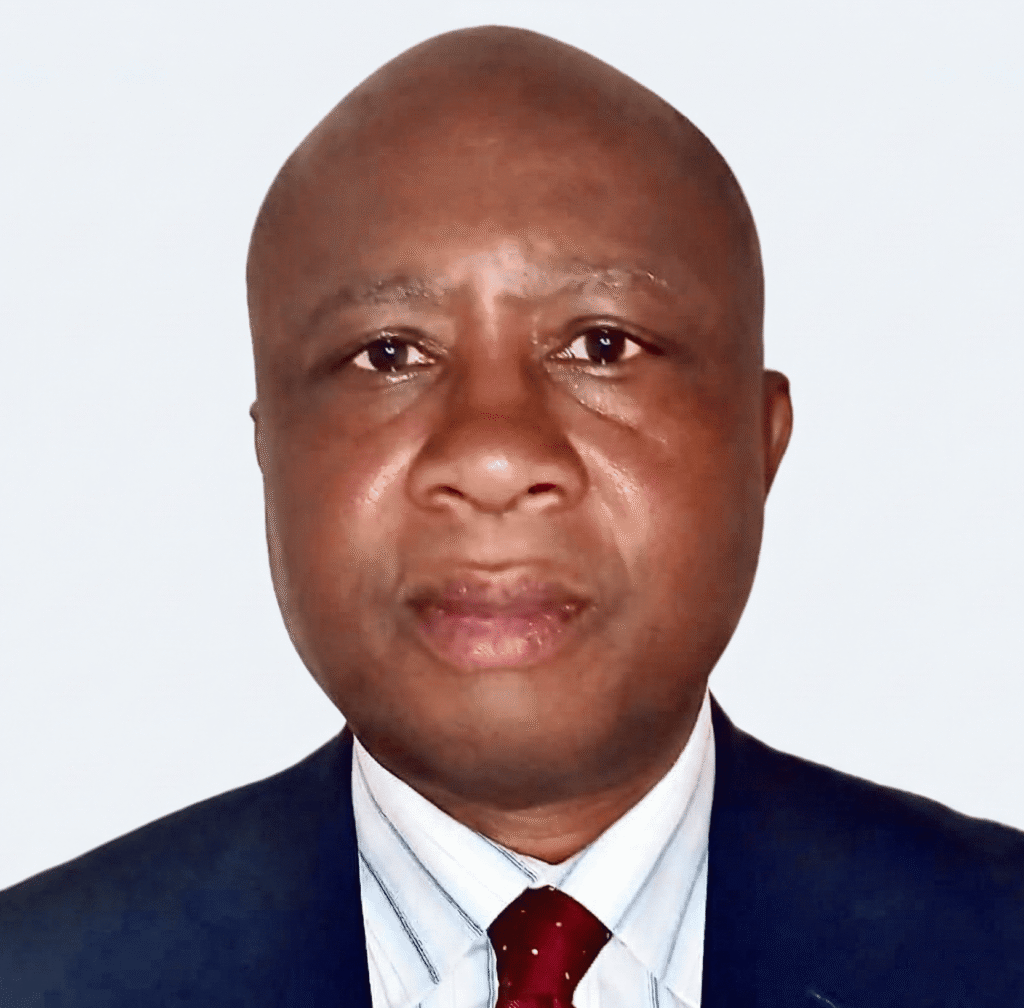
Dr. Ozemoya Osikpemhi Amos Onoshoze Pedro is an accounting and finance scholar, researcher, and professional with over a decade of industry experience. Holding a Ph.D. in Accounting and Finance, his expertise spans corporate finance, strategic management, governance, and business innovation. He is passionate about producing research that bridges academic theory with practical business solutions, helping organizations achieve sustainable growth and financial excellence. You can reach him on LinkedIn