- October 11, 2026


Beyond Access to Finance: How MSMEs Can Build Credit-Ready Businesses
The conversation around Micro, Small and Medium Enterprises (MSMEs) and access to finance often begins with one question: Where can businesses find the money they need to grow?
But there is another question that deserves equal attention: Is the business ready to receive, manage and repay that money?
This was one of the key issues I reflected on during my participation as a panel speaker at the 11th Annual Business Conference of FATE Foundation, held on September 17–18, 2026, in Lagos, under the theme “Beyond Borders: Transforming MSMEs for Global Competitiveness.”
The conference brought together entrepreneurs, business leaders, industry experts and other stakeholders to discuss how Nigerian MSMEs can build the capacity required to scale sustainably and compete beyond the domestic market.
From a credit perspective, one message stood out for me: access to finance is only one part of the MSME growth equation. Businesses must also become finance-ready.
Profitability Does Not Automatically Make a Business Bankable
From my experience dealing with MSMEs, one of the most common misconceptions among business owners is that once a business is profitable, it should automatically qualify for financing.
That is not necessarily the case. A business can be profitable and still present significant credit risk. Why?
Because profitability and cash flow are not the same thing.
A business may record strong revenue and even report a healthy profit, while its cash is tied up in inventory, receivables or other working-capital requirements.
For a lender, the critical question is not only whether the business makes a profit. It is whether the business can generate sufficient and predictable cash to meet its financial obligations when they fall due.
As I noted during the conference: “Loans are serviced by liquid cash flow, not paper profitability.”
This is why entrepreneurs need to understand not just their profit and loss statement, but also how money moves through their businesses.
A useful framework helps lenders assess a business: the 5cs of Credit: Character, Capacity, Capital, Conditions and Collateral.
These factors are generally used by lenders in assessing a borrower’s credibility and determine whether credit is advanced.
1. Character: Character speaks to the credibility and financial discipline of the borrower.
Does the entrepreneur keep commitments? Does the business honor its obligations? Does it communicate transparently with its financial partners?
A history of responsible borrowing and repayment can become an important asset as a business grows.
2. Capacity: Capacity is the business’s ability to generate sufficient cash flow to repay its obligations. This is particularly important for MSMEs.
An entrepreneur seeking ₦100 million in financing should be able to explain not only what the money will be used for, but also how the business will generate the cash required to repay it.
3. Capital: Capital represents the owner’s financial commitment to the business. Lenders want to understand how much of the entrepreneur’s own resources are invested in the business and the extent to which the business is already leveraged.
4. Conditions: Every business operates within a particular market and economic environment. Customer demand, industry conditions, competition, regulatory developments, input costs and other external factors can affect the ability of a business to generate cash and repay its obligations.
5. Collateral: Collateral provides security to the lender in the event of default. However, collateral does not replace repayment capacity. However, a strong collateral position cannot, by itself, turn an unsustainable business model into a bankable one.
Cash flow is Key:
The fundamental question remains: Can the underlying business generate sufficient cash to service the facility? Cash Flow Should Drive the Borrowing Decision. Before taking a loan, entrepreneurs should understand their cash conversion cycle.
Consider a simple example.
A business may purchase goods today, sell them to a customer, issue an invoice and wait 60 or 90 days before receiving payment. During that period, the business still has obligations to suppliers, employees, lenders and other stakeholders.
The business may therefore be profitable but experience a temporary cash-flow gap.
This is where appropriately structured working-capital financing can create value.
The important consideration is to ensure that the tenor and repayment structure of the financing are aligned with the underlying business cycle.
Entrepreneurs should therefore ask three questions before borrowing:
If these questions cannot be answered clearly, the business may not yet be ready for the proposed facility.
Responsible borrowing should be viewed as more than simply obtaining money. It can help an entrepreneur build a credit track record.
When a business borrows responsibly, uses the facility for its intended purpose, and repays on time, it builds a record. This record can support future financing conversations. This fits the 5cs framework for lending. As the business grows, that history becomes more valuable.
Every lender seeks a customer with impeccable credit history.
As Nigerian MSMEs pursue opportunities beyond the domestic market, the ability to access appropriate financing will remain important. But becoming finance-ready is not something a business does only when it needs a loan. It is built into the way the business is managed every day.
Proper records, disciplined cash management, transparent financial reporting, responsible borrowing and strong governance all contribute to building a business that financial institutions can understand, assess and support.

About the Author
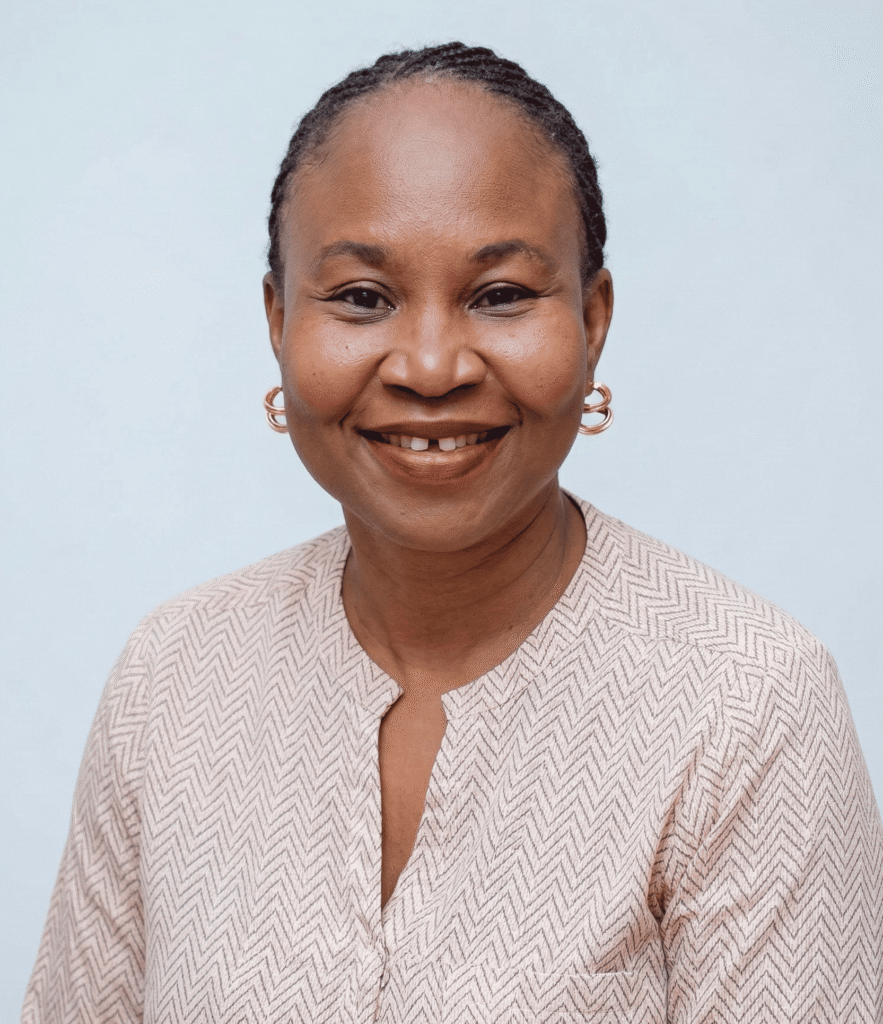
Dr. Sola Adeyiga is the founder and CEO of CreditPRO Finance Company Ltd. He is a small business banking enthusiast, an expert in credit administration and an experienced entrepreneur. He has trained, coached and mentored various small business owners in Nigeria. You can reach him on www.linkedin.com/in/soladeyiga