- November 16, 2026


The Chartered Institute of Bankers of Nigeria (CIBN) has urged banks in Nigeria that recently completed the recapitalization exercise to increase access to affordable, long-term financing for small and medium-sized enterprises (SMEs) and other productive sectors of the economy.
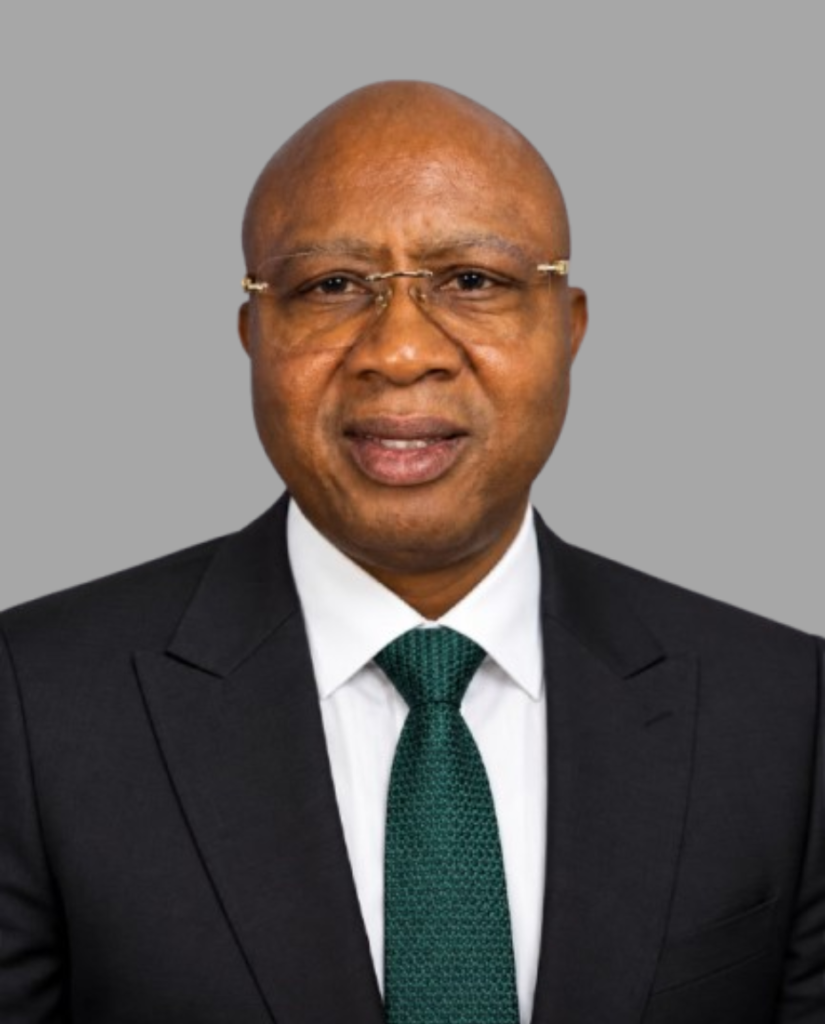
The call was made by the President and Chairman of Council of CIBN, Dr Dele Alabi, at the Institute’s 2026 Fellowship Investiture Ceremony held in Lagos on 31 October 2026. He emphasized that the success of the banking recapitalization programme should not be measured merely by the amount of capital raised, but by how effectively banks deploy that capital to support businesses, create employment, expand industries and stimulate economic growth.
This development comes after Nigerian banks raised ₦4.65 trillion in fresh capital, with 33 banks meeting the Central Bank of Nigeria’s revised minimum capital requirements by the end of the recapitalization exercise on 31 March 2026.
However, the question confronting businesses in Nigeria is whether this stronger banking capital base will translate into cheaper and more accessible loans for SMEs.
The ₦4.65 Trillion Recapitalisation: What Has Changed?
The Central Bank of Nigeria (CBN) introduced the banking recapitalization programme in March 2024, requiring banks to increase their minimum capital according to their licence categories. The exercise was designed to strengthen the financial system, improve banks’ capacity to absorb economic shocks and position them to finance larger transactions and long-term investments.
By 31 March 2026, the programme had mobilised ₦4.65 trillion in fresh capital, with domestic investors contributing approximately 72.55% and foreign investors accounting for 27.45%. Thirty-three (33) banks met the revised minimum capital requirements.
The recapitalization is significant because a bank’s capital base influences the volume and risk of lending it can undertake. Better-capitalised banks generally have greater capacity to absorb potential loan losses, finance larger projects and maintain regulatory capital adequacy.
However, it is important to understand that the ₦4.65 trillion is not a government fund set aside for SME loans. It represents fresh capital raised by banks, largely through investors. The amount does not automatically become available for lending, nor does it guarantee that interest rates will decline. Banks must still consider liquidity, deposit costs, credit risk, regulatory requirements and the expected returns on their lending activities.
Nevertheless, the recapitalization has strengthened the banking sector’s financial capacity and created an opportunity for more productive lending.
The Challenge: Manufacturing Credit Is Declining Despite Stronger Banks
One of the important issues raised during the CIBN event was the declining allocation of bank credit to manufacturing businesses.
According to figures presented by the Chief Executive Officer of the Nigerian Economic Summit Group (NESG), Tayo Aduloju, bank credit to Nigeria’s manufacturing sector declined from ₦8.53 trillion in December 2024 to ₦5.65 trillion in August 2026, representing a reduction of approximately 33.8%.
The sector’s share of total bank credit also declined from 17.4% in December 2023 to 8.7% in August 2026.
In contrast, average credit to trade and commerce increased by 49% year-on-year to approximately ₦5.9 trillion between January and August 2026, while average manufacturing credit declined by 26% to approximately ₦5.7 trillion over the same period.
These figures raise an important question: if banks have strengthened their capital positions, why is financing to productive businesses, particularly manufacturers, still under pressure?
One possible explanation is that banks may consider manufacturing and other productive-sector lending relatively risky because of high operating costs, unstable electricity supply, foreign exchange exposure, inadequate collateral and uncertain cash flows. Manufacturing investments also tend to require longer repayment periods, while banks often rely on deposits and other funding sources with shorter maturities.
Consequently, banks may find short-term lending to trade and commerce more attractive than financing factories, machinery, processing facilities and other long-term productive investments. This does not necessarily mean that all banks follow the same lending approach, but it highlights the financing challenges associated with capital-intensive businesses.
For SMEs in Nigeria, this creates a financing challenge. A small manufacturing company may require ₦50 million to purchase equipment and increase production, but obtaining a loan at an interest rate of 25% or 30% can make the proposed investment financially unattractive.
It is also important to note that the manufacturing figures represent sector-level bank credit data. They illustrate the financing pressures facing productive businesses, but do not by themselves establish the amount of credit available to every individual SME.
High Interest Rates Continue to Affect Business Financing
Although the CBN reduced its Monetary Policy Rate (MPR) to 23% in September 2026, commercial lending rates have remained considerably higher.
According to the NESG presentation at the CIBN event, average bank lending rates ranged between 19% and 32.6%. This means that the reduction in the monetary policy rate has not automatically translated into affordable credit for businesses.
The MPR is the benchmark policy rate that influences monetary conditions; it is not the interest rate at which every SME can borrow from a commercial bank. Individual lending rates depend on the borrower’s risk profile, the cost of funds, loan duration, collateral, operating costs and the bank’s pricing decisions.
For example, consider an SME that borrows ₦20 million at an annual interest rate of 25%. If the loan is structured as an interest-only facility, the annual interest obligation would be approximately ₦5 million, excluding principal repayment, fees and other charges. Such a financing cost can significantly affect a business’s cash flow, especially where profit margins are relatively low.
Government borrowing also competes with private-sector financing. Figures presented at the CIBN event indicated that credit to government increased by approximately 63% year-on-year to ₦39.4 trillion in September 2026, compared with growth of approximately 16% in private-sector credit to ₦83.9 trillion.
However, private-sector credit also declined slightly between August and September 2026, despite recording year-on-year growth. This suggests that annual growth does not necessarily mean credit expansion is accelerating every month.
When government securities offer attractive returns, banks may prefer allocating some of their funds to those instruments rather than extending loans to businesses with higher perceived credit risks. This can further limit the availability of financing for businesses that require substantial working capital or longer-term investment.
This creates a difficult environment for SMEs, particularly those operating in agriculture, manufacturing, food processing, logistics and other sectors that require substantial working capital.
Recapitalisation Must Translate into Productive Lending
From a financial and business advisory perspective, the CIBN’s position highlights an important distinction between strengthening the financial system and improving access to finance for businesses.
A banking sector can be well capitalised without necessarily providing sufficient financing to SMEs. Stronger bank balance sheets are important, but the real economic value of recapitalization will depend partly on how effectively the additional capital supports productive investment.
The challenge is not simply that banks in Nigeria need more capital; it is also that the lending environment must make it commercially viable for banks to finance SMEs.
Many small businesses lack audited financial statements, adequate collateral, verifiable cash flows and formal credit histories. Some operate largely through cash transactions, making it difficult for banks to establish their actual revenue and repayment capacity. Others have viable business models but cannot provide the conventional land-based collateral demanded by lenders.
Consequently, banks may continue to favour large corporations and established businesses with stronger financial records, even when smaller enterprises have significant employment and growth potential.
The solution should involve a more coordinated SME financing framework that combines commercial bank lending with credit guarantees, development finance, risk-sharing arrangements and business development support.
Banks should also move beyond relying exclusively on traditional collateral when assessing SMEs. Digital transaction records, verified cash flows, purchase orders, invoices, movable assets and established supplier relationships can provide additional information for evaluating creditworthiness.
Furthermore, financing should be structured around the realities of different industries. For example, a manufacturer purchasing machinery may require a three-to-five-year facility, while a retail business may need short-term working capital. Applying similar repayment structures to both businesses may create unnecessary financial pressure.
The objective should not be to encourage irresponsible lending or weaken banks’ risk management standards. Rather, it should be to develop financing structures that make commercially viable SMEs bankable while protecting the stability of the financial system.
How Does This Benefit the Larger Society?
The call by the Chartered Institute of Bankers of Nigeria (CIBN) for recapitalised banks to increase affordable lending to MSMEs is more than a banking-sector issue; it extends into a broader development agenda with far-reaching implications for Nigerian society.
When small businesses can access affordable financing, they gain the capacity to expand production, employ more workers, improve their products and services, and contribute more effectively to economic growth.
For the larger society, the benefits begin with employment creation. SMEs account for a significant proportion of businesses and employment in Nigeria. When businesses obtain the capital required to expand, they can hire additional workers, provide stable incomes to households and create opportunities for young people. This can help reduce unemployment, poverty and economic vulnerability.
Affordable financing can also improve the availability and affordability of goods and services. For instance, a food-processing business that secures funding to purchase modern equipment may increase production, reduce waste and improve distribution. If these efficiencies translate into lower operating costs, consumers may benefit from more competitive prices and better product availability.
Furthermore, increased SME financing can strengthen local production and reduce dependence on imported goods. Nigerian manufacturers, farmers, processors and service providers can invest in technology, machinery and infrastructure that improve productivity. This can stimulate domestic supply chains, support local suppliers and increase economic activity across different sectors.
The wider benefits also extend to government revenue. As businesses expand, their taxable income, employment contributions and formal economic activities may increase. A stronger SME sector can therefore contribute to public revenue while reducing the pressure on government to serve as the primary source of employment.
Ultimately, affordable SME financing can create a positive cycle in which businesses grow, employment expands, household incomes improve, consumer demand increases and more businesses emerge to meet that demand. However, these benefits depend on financing reaching viable enterprises and being used productively.
What Should Nigerian SMEs Do to Benefit?
SME owners should begin preparing their businesses for formal financing rather than waiting until they urgently need money.
First, maintain proper accounting records showing sales, expenses, assets, liabilities and profitability. Business owners should be able to produce financial statements that accurately reflect their operations.
Second, separate personal and business finances by operating through a dedicated business bank account. This makes it easier to establish transaction history and verify cash flows.
Third, develop a bankable business plan. The plan should explain the business model, market opportunity, competitive position, operating requirements, financial projections and repayment strategy.
Fourth, determine the actual financing requirement. Entrepreneurs should distinguish between working capital needs, equipment financing, expansion capital and emergency borrowing. Each requires a different financing structure.
Fifth, build a credible credit history by meeting existing financial obligations and avoiding unnecessary loan defaults. Businesses should also maintain proper documentation of customer contracts, supplier transactions, invoices and purchase orders.
Finally, compare financing offers carefully. Before accepting a facility, examine the effective interest rate, processing fees, collateral requirements, repayment schedule, moratorium provisions and penalties for default. A loan should support business growth rather than create an unsustainable repayment burden.
What Should Banks and Policymakers Do?
For recapitalization to produce wider economic benefits, banks and policymakers must address the structural barriers preventing SMEs from accessing affordable finance.
Banks should develop dedicated SME financing products with repayment periods that reflect business cash-flow cycles. They should also expand asset-based lending, invoice financing, equipment leasing and digital credit assessment.
The CBN and relevant government institutions should strengthen credit guarantee and risk-sharing arrangements that encourage banks to lend to viable but underserved businesses. Such programmes should have transparent eligibility criteria, effective monitoring and clear accountability mechanisms.
Development finance institutions, including the Bank of Industry (BOI) and Development Bank of Nigeria (DBN), should continue working with commercial banks and other financial institutions to mobilise long-term financing for productive businesses.
There is also a need for stronger coordination among banks, pension funds, insurance companies and development finance institutions to mobilise long-term funds for sectors that require substantial investment.
Importantly, affordable financing must be accompanied by improvements in electricity supply, transportation, infrastructure, business regulation and access to markets. Reducing the cost of borrowing alone will not make an inefficient or uncompetitive business sustainable.
Do Not Wait for Banks to Come Looking for Your Business
The recapitalization of banks in Nigeria presents an opportunity, but SMEs must prepare themselves to benefit from it.
Business owners should treat financial readiness as an essential part of business management. A business should always know its financial position, understand its capital requirements and maintain the documentation required to support a financing application.
If you intend to borrow ₦10 million, ₦50 million or ₦100 million, you should be able to explain precisely what the money will finance, how it will improve business performance, the additional revenue it is expected to generate and how the loan will be repaid.
Do not borrow simply because a bank is willing to lend. Borrow only when the proposed investment has a clear commercial justification and the business can reasonably meet the repayment obligations.
Ultimately, the success of Nigeria’s banking recapitalization should not be measured only by the amount of capital raised or the strength of bank balance sheets. It should also be measured by whether viable businesses can access appropriate financing, expand their operations, create employment and contribute meaningfully to the country’s economic growth.

About the Author
Dr. Ozemoya Osikpemhi Amos Onoshoze Pedro is an accounting and finance scholar, researcher, and professional with over a decade of industry experience. Holding a Ph.D. in Accounting and Finance, his expertise spans corporate finance, strategic management, governance, and business innovation. He is passionate about producing research that bridges academic theory with practical business solutions, helping organizations achieve sustainable growth and financial excellence. You can reach him on LinkedIn