- November 16, 2026

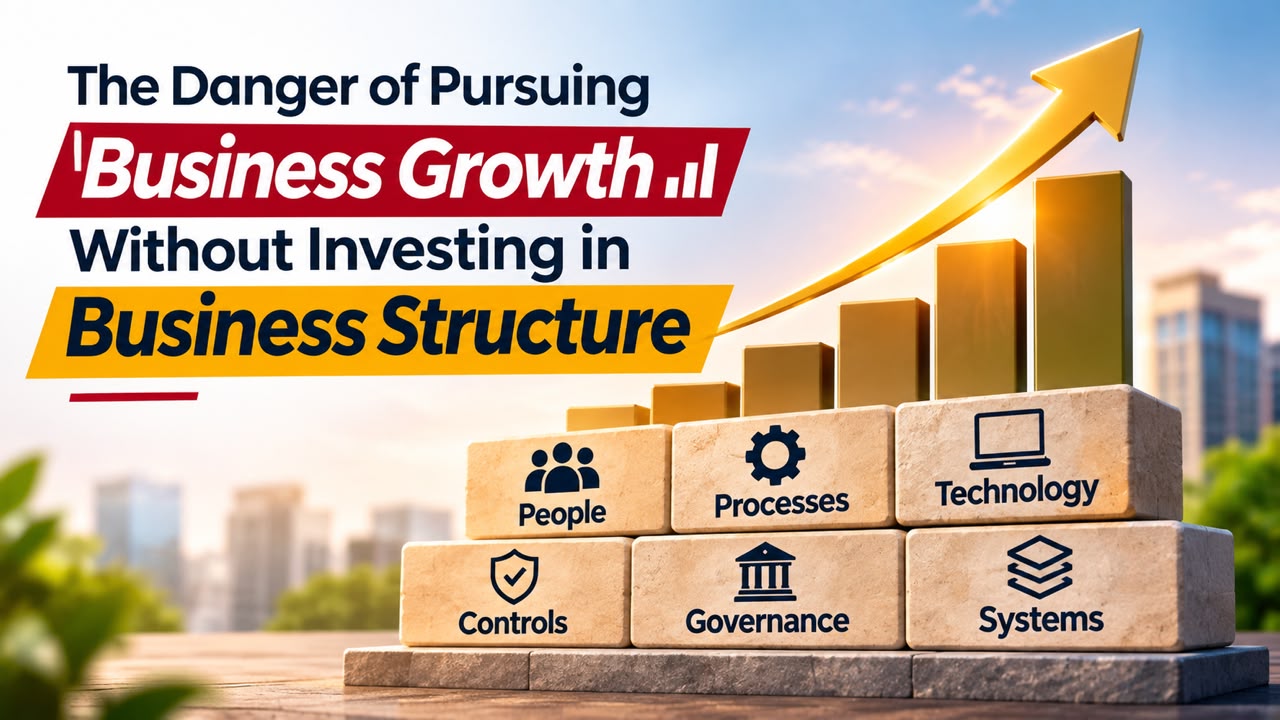
One of the mistakes entrepreneurs make is pursuing business growth without making corresponding investments in the structures required to sustain that growth.
We are often excited about increasing sales, acquiring new customers, expanding into new markets and growing revenue. These are important indicators of progress. After all, every entrepreneur wants to see their business grow.
But I have come to realize that growing a business and building a strong business are not necessarily the same thing. A business can experience impressive revenue growth while becoming increasingly vulnerable because its internal structures have not developed at the same pace.
And sometimes, the very growth we celebrate becomes the source of our biggest problems.
When a business is small, the founder can personally oversee most activities. You know your customers, supervise your employees, approve transactions and monitor business performance.
But as the business expands, things become more complicated. Customer numbers increase, transactions multiply, employees take on different responsibilities, and financial and operational risks become more significant.
Different parts of the business must now function effectively at the same time: Sales must grow, operations must remain efficient, financial controls must strengthen, and customer service must improve.
No single individual, regardless of how hardworking or experienced, can effectively manage every aspect of a growing business.
Without the right structures, growth begins to expose weaknesses that were previously manageable. Decisions become delayed, operational errors increase, accountability weakens, and profitability may begin to suffer.
One observation I have made is that many entrepreneurs are willing to invest heavily in activities that generate revenue but are reluctant to spend money on the structures that support and protect that revenue.
We readily commit resources to marketing, business expansion, inventory and new opportunities. But when it comes to employing competent professionals, implementing technology, strengthening internal controls or establishing proper governance, we sometimes consider these unnecessary costs.
I believe this mindset is dangerous. The structures that support a business are just as important as the activities that generate its revenue.
A growing business needs competent people, documented processes, reliable financial reporting, effective technology and clear accountability. These investments may not generate immediate revenue, but they create the capacity to manage growth efficiently and sustainably.
The question should not simply be, “How much will this cost?” It should also be, “What will it cost the business if we fail to make this investment?”
One of the most important investments a growing business must make is in people.
As the business evolves, the founder must intentionally attract professionals who can take responsibility for different functions. It is almost impossible to scale a business successfully when every important decision depends on one person.
But attracting competent people is not enough. Business leaders must also be willing to delegate meaningful responsibilities, give executives appropriate authority and hold them accountable for results.
Executives should develop a sense of ownership and understand how their performance contributes to the success of the organization.
I also believe that compensation should be fair and sustainable. When a business performs well, the people who contribute significantly to that performance should share in the benefits.
Appropriate performance incentives can help align the interests of key executives with the long-term profitability of the business.
This is an important lesson from our experience at CreditPRO. During the early stages of building the business, we recognized the need for experienced professionals to support different aspects of our operations.
However, our financial capacity could not accommodate the cost of employing all the professionals we needed on a permanent basis. Rather than compromise on quality, we engaged experienced consultants who worked with us on a part-time basis. This strategy gave us access to valuable expertise at a fraction of what their full-time compensation would have cost. Their contributions helped us strengthen our operations and build the capacity required for further growth.
As the business expanded and profitability improved, we became better positioned to employ permanent professionals with comparable levels of competence. Looking back, this was an important part of our growth journey.
The lesson is that investing in business structure does not necessarily mean building an expensive organization from day one.
Consultants, advisers, outsourced professionals and part-time executives can provide the expertise a growing business needs, provided their responsibilities and deliverables are clearly defined.
What matters is being intentional about building the capacity required for growth.
Another important lesson is that entrepreneurs should not wait until operational problems become serious before investing in structure. If you are planning to double your business, you should be asking whether your people, processes, technology and financial controls can support twice the current level of activity.
Can your accounting systems handle increased transaction volumes? Can your management team effectively supervise a larger operation? Do you have clearly documented Standard Operating Procedures (SOPs) to ensure consistency, efficiency and accountability across your business? Have you implemented workflow systems to automate processes, improve operational efficiency and reduce dependence on manual interventions? Are roles, responsibilities and approval authorities clearly defined? Do you have reliable and timely management information to support effective decision-making?
These questions should be addressed before expansion creates avoidable problems.
Every entrepreneur desires growth, but growth must be intentional and sustainable. Increasing revenue, expanding operations and acquiring more customers are important achievements. However, they must be supported by corresponding investments in people, systems, processes and governance.
A business that grows faster than its internal capacity may eventually struggle under the weight of its own expansion. As founders, we must learn to invest not only in opportunities that generate revenue but also in the structures that protect profitability and support long-term sustainability.
My question to fellow entrepreneurs: Are you investing as much in strengthening your business structure as you are in pursuing business growth?
About the Author
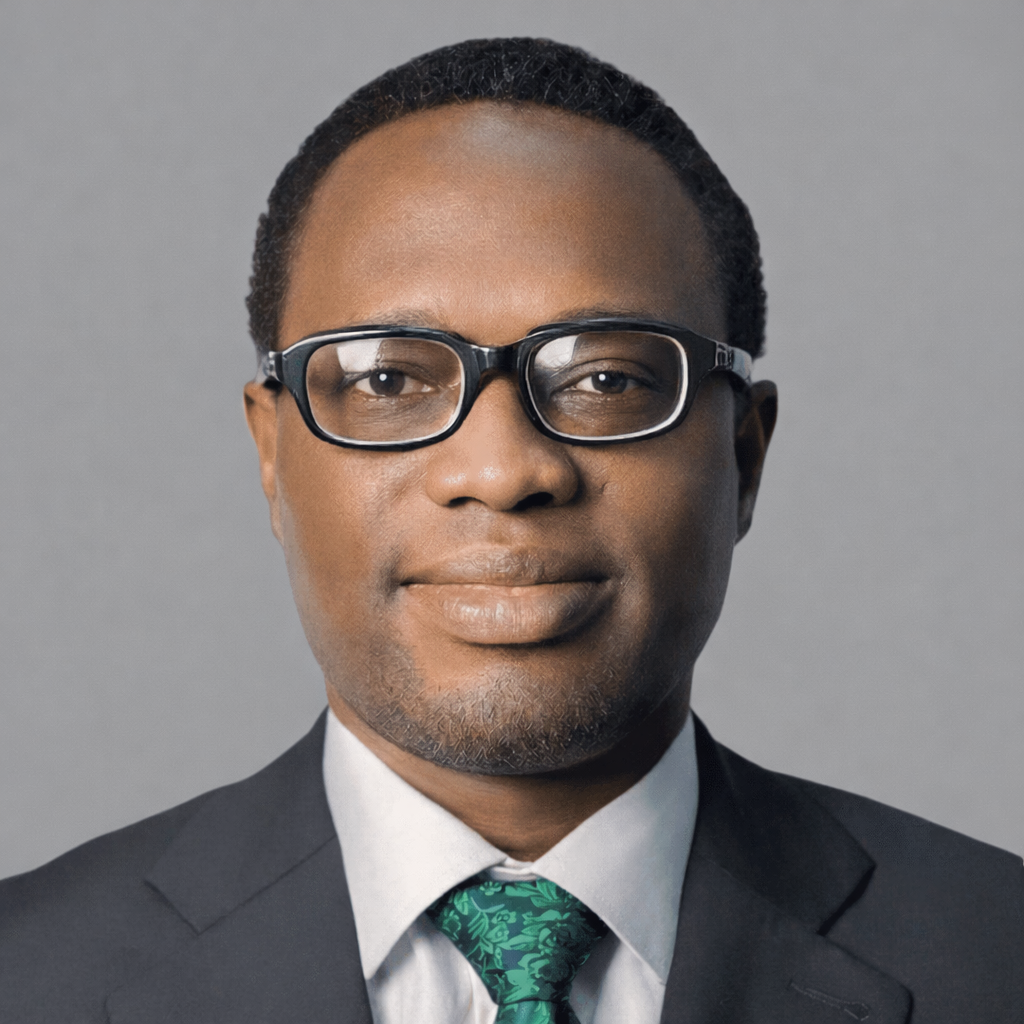
Dr. Sola Adeyiga is the founder and CEO of CreditPRO Finance Company Ltd. He is a small business banking enthusiast, an expert in credit administration and an experienced entrepreneur. He has trained, coached and mentored various small business owners in Nigeria. You can reach him on www.linkedin.com/in/soladeyiga