- September 16, 2026


Emotional Requirements of a Successful SME Entrepreneur: The Skills No Loan Can Buy
“You may not control all the events that happen to you, but you can decide not to be reduced by them.” – Maya Angelou
Quick note before we dive in: This article also comes with an audio Deep Dive, where we take the conversation a little further—breaking down the psychological pressures of building in Nigeria, how emotional steadiness directly impacts financing approvals, and the real questions SME owners should ask themselves when the ground starts shifting. It’s an easy, relaxed listen that adds another layer of perspective to the text
Two business owners can start with the same capital, the same market, the same product, and the same ambition. A year later, one is still growing steadily. The other has quietly closed down. Ask around, and you’ll rarely hear that the failed business ran out of good ideas. What you’ll hear, if you listen closely enough, is a story about a person who couldn’t carry the weight anymore, not a business that couldn’t work.
We spend a great deal of time talking about what an SME needs to succeed: capital, a solid business plan, the right market, good staff. We spend far less time talking about the emotional weight of actually being the person who owns and runs it, especially in an environment as unpredictable as Nigeria’s. That gap is worth closing, because the truth is simple: financing and strategy can only take a business as far as the person steering it is emotionally able to go.
Maya Angelou’s line above wasn’t written about business, but it may as well have been. No SME owner controls the client who vanishes, the currency that moves, or the regulation that changes overnight. What every SME owner does control is whether those events get to define them, and their business, or whether they get met, absorbed, and worked through. That difference is the entire subject of this piece.
Nobody hands new entrepreneurs a manual for the emotional side of the job. They get advice on registering their business, pricing their product, finding customers. Almost nobody sits them down and says: some weeks, you will feel like the only person holding everything together, because you often are. A client will vanish without warning. A staff member you trained will leave for a better offer. A cost you budgeted for will suddenly double. None of this means the business idea was flawed. It simply means you have arrived at the part of entrepreneurship nobody puts in the brochure.
This is precisely why so many capable, well-funded businesses still struggle. The gap usually isn’t in the plan. It’s in whether the person behind the plan has built the emotional muscle to keep making good decisions when the ground keeps shifting under them.
It’s tempting to file all of this under “personal wellbeing,” separate from the real business of building a business. But the two are not separate at all. A founder who is emotionally worn thin makes worse pricing decisions, hires poorly out of panic, and reacts to setbacks instead of responding to them. A founder who has built genuine emotional steadiness makes clearer calls precisely when clarity is hardest to find, which tends to be exactly when it matters most.
This isn’t a uniquely Nigerian problem, but it does show up here with unusual intensity. A 2024 survey of 169 startup founders across 13 African countries, including Nigeria, by the venture capital firm Flourish Ventures, found that 86% reported struggling with the emotional toll of running a business, and the reasons were rarely personal weakness.[1] They were structural: inflation, currency volatility, unreliable infrastructure, and a support system that often isn’t built to catch founders when they’re struggling. Understanding this changes the conversation. The goal was never to eliminate the pressure. Nobody can. The goal is building the internal capacity to keep functioning well inside it.
A tolerance for uncertainty, not the absence of it. Every Nigerian SME owner operates without the comfort of predictable variables. Fuel prices move. The naira moves. A regulatory notice can change your obligations overnight. The entrepreneurs who last aren’t the ones who eliminate this uncertainty, nobody can. They’re the ones who’ve built a tolerance for operating inside it without becoming paralysed or reckless.
The ability to separate your identity from your business’s bad days. One of the quietest dangers in entrepreneurship is letting your sense of self become fused with your business’s performance. A slow month starts to feel like personal failure. A lost client starts to feel like personal rejection. The entrepreneurs who sustain a business over years learn to hold a harder distinction: the business is something you built and steward, not something that defines your worth.
Patience in a culture that rewards visible success fast. Social pressure often pushes owners toward looking successful quickly, the new car, the bigger office, the visible signs of growth. But most durable SMEs are built on years of unglamorous reinvestment and growth that doesn’t look impressive from the outside for a long time. This tracks closely with what psychologist Angela Duckworth found in her research on grit, that passion and perseverance toward a long-term goal, sustained well past the point where it stops feeling exciting, is one of the more consistent predictors of achievement.[2] The emotional skill here is sitting with the gap between where your business is and where you want it to be, without making decisions purely to close that gap faster than the business can sustainably support.
Composure in conflict, without losing the relationship or the point. Every growing SME eventually faces conflict: a co-founder disagreement, a hard conversation with a long-serving staff member, family members who don’t understand why profit needs reinvesting rather than paying out. Owners who navigate this well have learned to separate the person from the problem, stay direct without becoming combative, and revisit hard decisions calmly rather than defensively.
The willingness to carry the weight without carrying it alone. Perhaps the most underrated emotional skill is knowing when to lean on outside support instead of holding every pressure internally. This might mean a mentor, a peer group of other founders, or simply a habit of talking honestly with someone you trust before a decision, rather than after it has already gone wrong. Isolation is one of the most common threads running through founder burnout, which is precisely why communities like FirstFounders and Ingressive for Good exist in Nigeria’s own startup ecosystem, to give founders somewhere to put the weight down before it becomes unbearable.[3] Risks to Watch
None of this has to be built alone or from nothing. Founder communities exist specifically to counter the isolation that quietly wears entrepreneurs down. Structured mentorship, the kind that puts founders in a room with people who have carried this exact weight before and come through it, does quiet, valuable work here too. For owners who feel they’re carrying strategic decisions entirely on their own, CreditPRO’s own Business Strategy & Growth Advisory service exists for exactly this reason, a structured way to bring in outside expertise on growth planning, governance, and operational decisions, rather than shouldering every hard call in isolation. The broader opportunity is simple: treat emotional readiness as seriously as financial readiness, and build it deliberately, rather than waiting for a crisis to force the issue.
At CreditPRO, the SME owners we find easiest to support are rarely the ones putting on the most visible show of confidence. They’re the ones who can speak plainly about what’s actually happening in the business, including the hard parts, without either collapsing under it or pretending it isn’t there. That clarity isn’t just personally healthier. It’s also, quietly, good for financing conversations. A founder who can separate a bad quarter from a failing business, and communicate that distinction honestly, is far easier for a lender to understand, trust, and support through a difficult stretch.
Interestingly, the financial side of that clarity is often the easier half to build. Our loan calculator can tell you, in minutes, exactly what a facility would cost and how it fits your cash flow. Building the emotional steadiness to make that decision calmly, and to keep making good ones after, tends to take longer, and matters just as much.
None of this replaces the fundamentals. Capital discipline, market fit, and sound financial management still decide whether a business survives on paper. But the emotional side of entrepreneurship is what determines whether the person running the business is still standing, clearheaded, and capable of making good decisions by the time those fundamentals have a chance to pay off. You will not control most of what happens to your business this year. Nobody does. What you can decide, every time, is whether it reduces you or simply becomes something you carried and moved past. If you’re building an SME in Nigeria right now, it’s worth asking yourself honestly: which part of your business needs more attention this quarter, the numbers, or the person behind them?
References
[1] Flourish Ventures, “Passion and Perseverance: Voices from the African Founder Journey”
(2024), on the emotional toll reported by African startup founders. https://www.ecofinagency.com/finance/1912-46271-86-of-startup-founders-in-africa-struggle-withmental-health-issues-report-shows
[2] Angela Duckworth, Grit: The Power of Passion and Perseverance, on perseverance toward long-term
goals as a predictor of achievement. https://www.angeladuckworth.com/grit
[3] FirstFounders (https://firstfounders.cc) and Ingressive for Good (https://ingressive.org),
Nigerian founder communities addressing isolation and peer support in the startup ecosystem.

About the Author
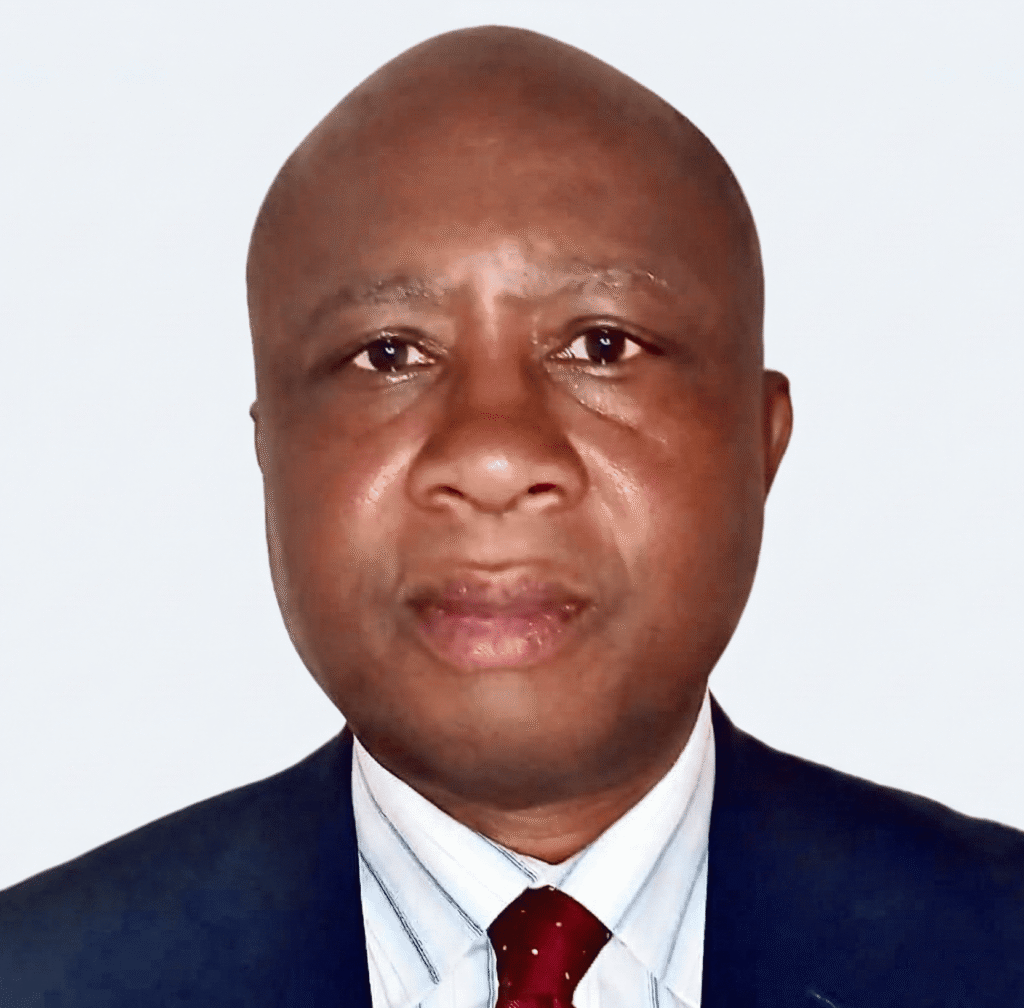
Anthony Jiboye is the Head of Growth and Customer Experience at CreditPRO Finance Company Limited. With a proven track record in driving business expansion, customer retention strategies, and service excellence, Anthony leads CreditPRO’s growth initiatives to deliver seamless, customer-centric financial solutions. He is passionate about scaling innovative financial products, enhancing user journeys, and empowering businesses across Nigeria to access reliable funding and growth opportunities.