When I started my first business in 2010, my focus was simple: PROFIT. Like most entrepreneurs, I measured success through financial metrics. Back then, business performance was almost exclusively about the bottom line.
But the world has changed. Today, businesses are expected to deliver value beyond just profits — they must also positively impact people and the planet.
In 2015, the United Nations introduced the 17 Sustainable Development Goals (SDGs), a global call to action to end poverty, protect the environment, and ensure prosperity for all. While governments lead this effort, businesses play a crucial role in driving progress through Environmental, Social, and Governance (ESG) practices.
ESG is no longer just for large corporations. Small and medium-sized enterprises that embrace sustainability gain a competitive edge — reducing costs, attracting customers, securing funding, and future-proofing their operations.
The Triple Bottom Line: A Framework for Sustainable Success
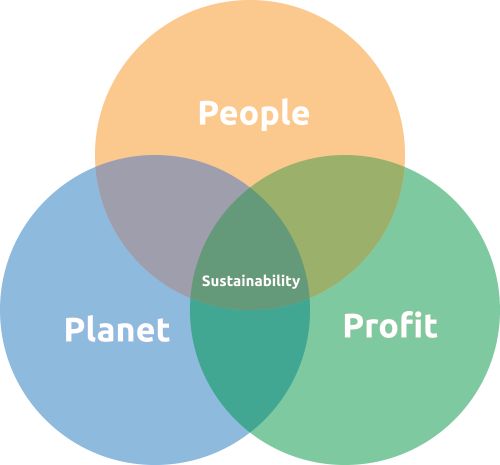
The “Triple Bottom Line” (3Ps — People, Planet, Profit) expands how we measure business success in today’s world. Let’s break it down:
1. People
SMEs must recognize that their shareholders, employees, customers, suppliers, and communities are essential to their success. Sustainable businesses prioritize fair labor practices, community engagement, and ethical dealings with customers and vendors.
Businesses that prioritize their major stakeholders often see improved morale and productivity. Research indicates that happy workers are 13% more productive (Oxford University), and companies with engaged employees are 21% more profitable than those with disengaged employees (Gallup).
Additionally, modern consumers are aligning their spending habits with their values — 70% of consumers prefer to buy from brands that support social causes (IBM & NRF).
Businesses can improve their people management by:
· Fair Employee Treatment: Providing fair wages, safe working conditions, and opportunities for growth enhances employee satisfaction and productivity.
· Community Involvement: Supporting local initiatives, contributing to social causes, and engaging with local suppliers help SMEs build strong, loyal customer bases.
· Ethical Business Practices: Transparent and honest dealings with customers and suppliers foster trust and long-term relationships.
2. Planet
Small businesses need to be mindful of the impact of their activities on their immediate environment. Areas of concern include energy consumption, waste management, and sustainable practices. Businesses that adopt eco-friendly practices can reduce their carbon footprint and contribute to environmental conservation.
Businesses that improve energy efficiency can cut energy costs by 20–30% (Energy Star), and companies adopting sustainable practices see an average revenue increase of 15–20% due to customer loyalty (Forbes). Additionally, the global green packaging market is projected to reach $385 billion by 2028 (Statista), indicating strong demand for eco-friendly business practices.
SMEs can adopt eco-friendly business practices through the following:
· Energy Efficiency: Switching to energy-efficient lighting, using renewable energy sources, and optimizing power consumption can lower costs and reduce carbon emissions.
· Waste Reduction: Adopting recycling programs, reducing paper usage, and promoting digital solutions can cut operational costs while protecting the environment.
· Sustainable Sourcing: Partnering with eco-conscious suppliers and using biodegradable or recyclable materials can help reduce environmental harm and attract environmentally conscious consumers.
· Green Packaging: Switching to sustainable packaging materials can set an SME apart from competitors and appeal to eco-conscious customers.
3. Profit
While the Triple Bottom Line framework introduced a broader dimension to performance evaluation for businesses, profit still remains a fundamental metric. Only profitable businesses can operate sustainably over the long term.
Sustainability is not just about social responsibility — it is also a smart financial strategy. 55% of global consumers are willing to pay more for sustainable products (Nielsen), and 88% of investors consider ESG factors when making investment decisions (Morgan Stanley). Moreover, SMEs implementing sustainable practices report cost savings of 10–20% within the first few years (McKinsey).
Sustainable business practices will help Small businesses improve their profitability in the following ways:
· Cost Savings: Energy-efficient practices, zero-paper operations, and waste reduction strategies lead to significant cost savings over time.
· Customer Loyalty & Brand Differentiation: Modern consumers prefer to buy from businesses that demonstrate social and environmental responsibility.
· Access to Funding & Incentives: Investors prefer to fund businesses with a deliberate sustainability blueprint.
· Innovation & Market Expansion: Developing eco-friendly products and services can open new market opportunities and set an SME apart from competitors.
Conclusion
Sustainability is not just for large corporations — it is a crucial strategy for SMEs to achieve long-term success. By focusing on People, Planet, and Profit, small businesses can create value for their stakeholders while ensuring environmental and social responsibility. As the world increasingly shifts towards sustainability, SMEs that adopt the practices identified in this article will not only contribute to a better future but also position themselves for sustained growth and profitability.